Boboho: A Handwritten Typeface for Authentic Craft Branding
The glow of the monitor is the only light in the room. I am staring at a digital mockup of a soy candle label, trying to decide if the text feels too stiff or too messy. For weeks, I have been searching for that perfect balance—something that looks like it was written by hand with genuine care, but still holds up when printed on small surfaces. That is exactly why Boboho, a casual handwritten font from Script Amp, has become a staple in my design workflow. It radiates warmth and personality, capturing the charm of authentic handwriting without sacrificing the clean structure needed for professional product presentation.
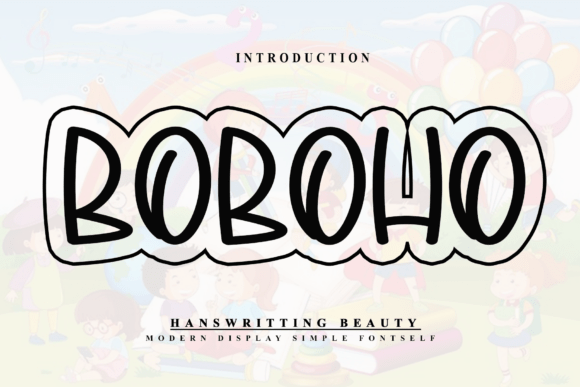
When you first open the Boboho font file, you are greeted by smooth strokes and natural curves. Unlike some script fonts that feel rigid or overly decorative, Boboho flows effortlessly. It feels organic, as if the letters were drawn with a brush pen or a fine liner marker. This visual personality makes it an ideal choice for makers who want their brand identity to feel approachable, friendly, and human. Whether I am designing boutique tags for handmade jewelry or creating seasonal packaging for holiday candles, Boboho adds an immediate layer of emotional appeal that resonates with customers.
From Digital Design to Physical Product
The true test of any typeface is how it performs on physical merchandise. I recently used Boboho for a series of greeting cards and matching envelope liners. Because the letterforms are easy-flowing, they look stunning in large display sizes. However, typography requires practical consideration. When scaling down Boboho for smaller applications, such as tiny product labels or delicate sticker sheets, readability becomes paramount. The font’s natural curves can sometimes close up when reduced too much, so I always recommend testing your designs at actual print size before finalizing your shop listings.
I also experimented with Boboho for printable wall art and planner pages. In these contexts, the font serves as a beautiful focal point. It works exceptionally well for short phrases, names, titles, and decorative wording. For example, using Boboho for a "Welcome Home" farmhouse sign gives it a cozy, inviting vibe that fits perfectly with modern rustic decor. Similarly, when designing wedding invitations or wedding welcome boards, the font brings a touch of elegance that is relaxed rather than formal. It strikes a chord with couples looking for stationery that feels personal and curated, rather than mass-produced.
Versatility Across Craft Categories
One of the reasons Boboho has earned a permanent spot in my creative assets library is its versatility. It is not limited to just one niche. Here is how I have successfully integrated this typeface into various handmade products:
- Candle and Soap Labels: The warm tone of the handwriting style complements natural ingredients and artisanal vibes perfectly.
- Boutique Tags and Packaging: Use it for taglines or brand names to create a memorable unboxing experience.
- Stickers and Decals: Ideal for cute, whimsical designs where legibility is maintained through clear spacing.
- Mugs and Shirts: When converted to vector paths for cutting machines like Cricut or Silhouette, Boboho cuts cleanly, making it great for vinyl transfers on apparel and drinkware.
- Digital Downloads: As a premium font, it elevates the perceived value of digital templates, social media graphics, and web design elements.
In each of these applications, the font contributes to brand consistency. When customers see the same distinct handwriting style across your Instagram posts, your Etsy listing images, and your physical product labels, they begin to recognize your brand instantly. This cohesion builds trust and encourages repeat engagement. The font’s ability to convey personality helps differentiate your shop in a crowded marketplace, turning a simple transaction into a connection.
Practical Tips for Makers and Sellers
While Boboho is visually charming, there are technical aspects every creator should consider before selling products featuring this typeface. First, always check the included styles, alternates, ligatures, swashes, and weights. These features allow you to customize the text to fit specific layout needs. For instance, you might use a swash variant for the initial letter of a product name to add flair, while keeping the rest of the text simple for clarity.
Readability is another critical factor. If you are designing for cutting machines, ensure that the inner counters (the enclosed spaces in letters like 'e', 'a', and 'o') remain open enough to prevent weeding issues. On small stickers or intricate die-cuts, complex ligatures might be difficult to remove cleanly. Test your files thoroughly. Furthermore, when using Boboho for longer text blocks, such as instructions on a packaging insert, consider its limitations. It is best suited for display use rather than body copy. Keep paragraphs brief and let the font shine in headlines and key messages.
Font pairing can significantly enhance your designs. Boboho pairs beautifully with a clean sans serif font for secondary information, such as weight, dimensions, or care instructions. This contrast creates a balanced hierarchy, guiding the customer’s eye naturally from the artistic brand name to the essential details. You might also pair it with a simple serif font for a more editorial or classic look, depending on the mood of your collection. Avoid pairing it with other busy script fonts, as this can create visual clutter and reduce overall impact.
Licensing and Commercial Use
For handmade business owners and commercial craft sellers, understanding licensing is non-negotiable. Before you start printing thousands of labels or uploading SVG files to marketplaces, verify the commercial font licensing terms provided by Script Amp. Most premium fonts require a specific license for commercial use, which may vary depending on whether you are selling physical goods, digital downloads, or template previews. Ensure you have the correct rights to avoid legal issues and protect your reputation.
Additionally, check for multilingual support if you plan to cater to international audiences. Some handwritten fonts lack extended character sets, which can limit your design options for foreign languages. Boboho’s robust feature set often includes these extras, giving you more flexibility in your global marketing efforts.
In conclusion, Boboho is more than just a font; it is a tool for storytelling. It allows makers to inject soul into their products, transforming ordinary items into memorable experiences. By using it thoughtfully in labels, cards, packaging, and digital downloads, you create a cohesive brand narrative that speaks directly to your audience’s desire for authenticity. Whether you are preparing seasonal craft designs or building a long-term brand identity, this casual handwritten typeface offers the warmth and personality needed to stand out in the handmade community.